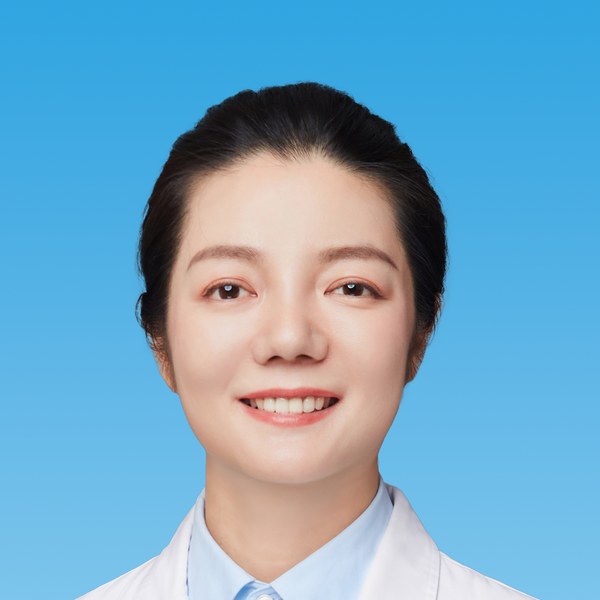
Ke He (何锞)
Deputy Director & Head of Skin & Laser Aesthetics · Attending Physician, Licensed Aesthetic Attending · Lead Physician of This Site
Light and laser device assessment · reading a device claim against a measured endpoint · what a clearance does and does not mean
Dr. Ke He is Deputy Director of the Plastic Surgery & Aesthetics Medical Center at Chongqing West District Hospital and head of its skin and laser aesthetic service — and she is the lead physician of this site. A core specialist formerly at the Plastic and Aesthetic Surgery Department of Xinqiao Hospital, affiliated with Army Medical University, she has worked on the clinical front line in skin laser and injectable aesthetics for more than 20 years, serving over ten thousand patients.
On this review her part is holding the uses apart. She begins with what the light is being asked to do and what was measured in the work behind it, and she treats a study in a laboratory dish, a trial in inflammatory acne and a trial in joint pain as three separate findings rather than as one shared mechanism. She asks what a device delivers before discussing what it may do, because a claim that does not state the energy reaching the tissue cannot be checked against anything. Where a use has nothing behind it she says so plainly, and where a device is being chosen to avoid a diagnosis she says that instead.
Clinical focus
Academic roles & achievements
A shared mechanism is not shared evidence
Light of this kind acts on tissue in ways that are studied, and that is why one explanation can be offered for a long list of conditions. A mechanism is a reason to run a study, and the study is what decides whether the claim holds. Moving a result from acne to ageing, or from a joint to a face, because the mechanism is shared is the move that a broad category name makes easy and the evidence does not make true.